1996 BMW 5 Series 525TDSE - appraised in Ponteland
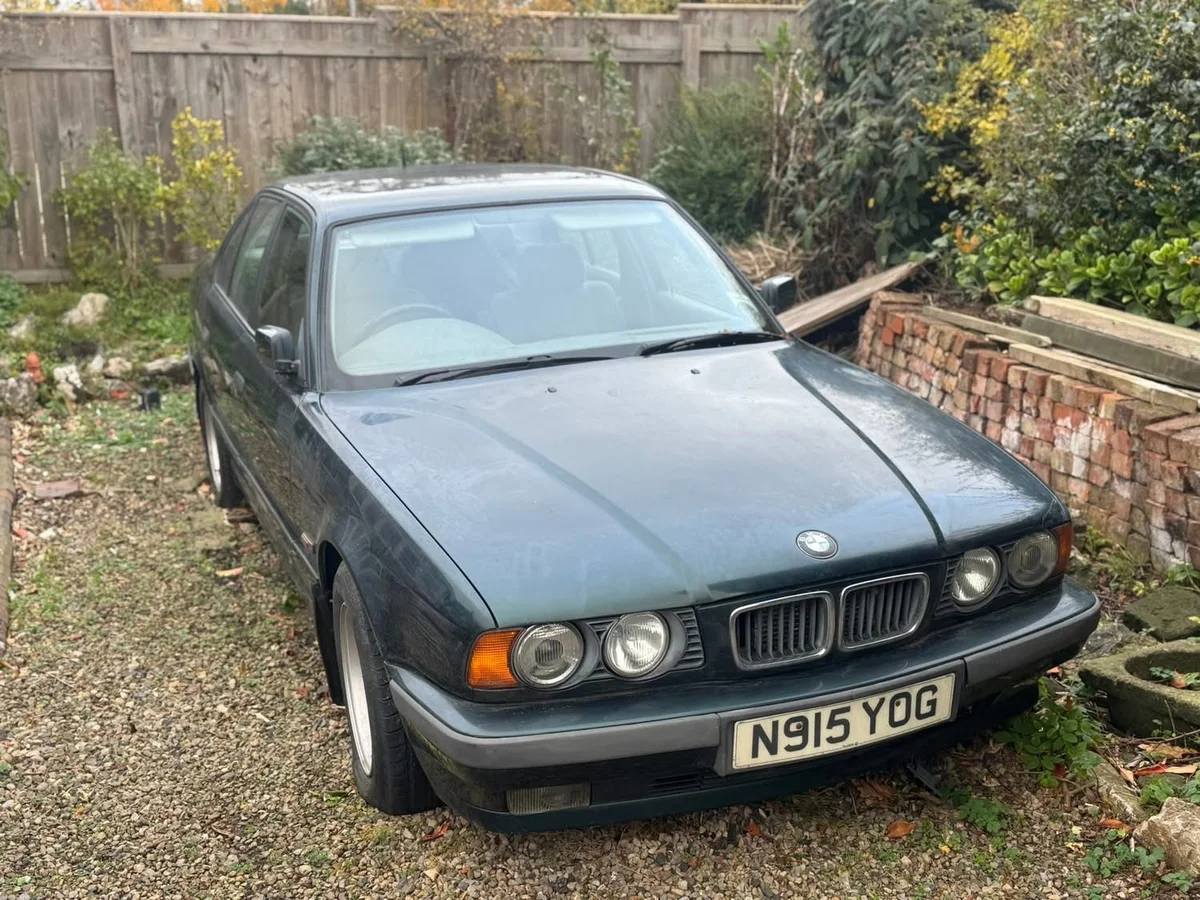
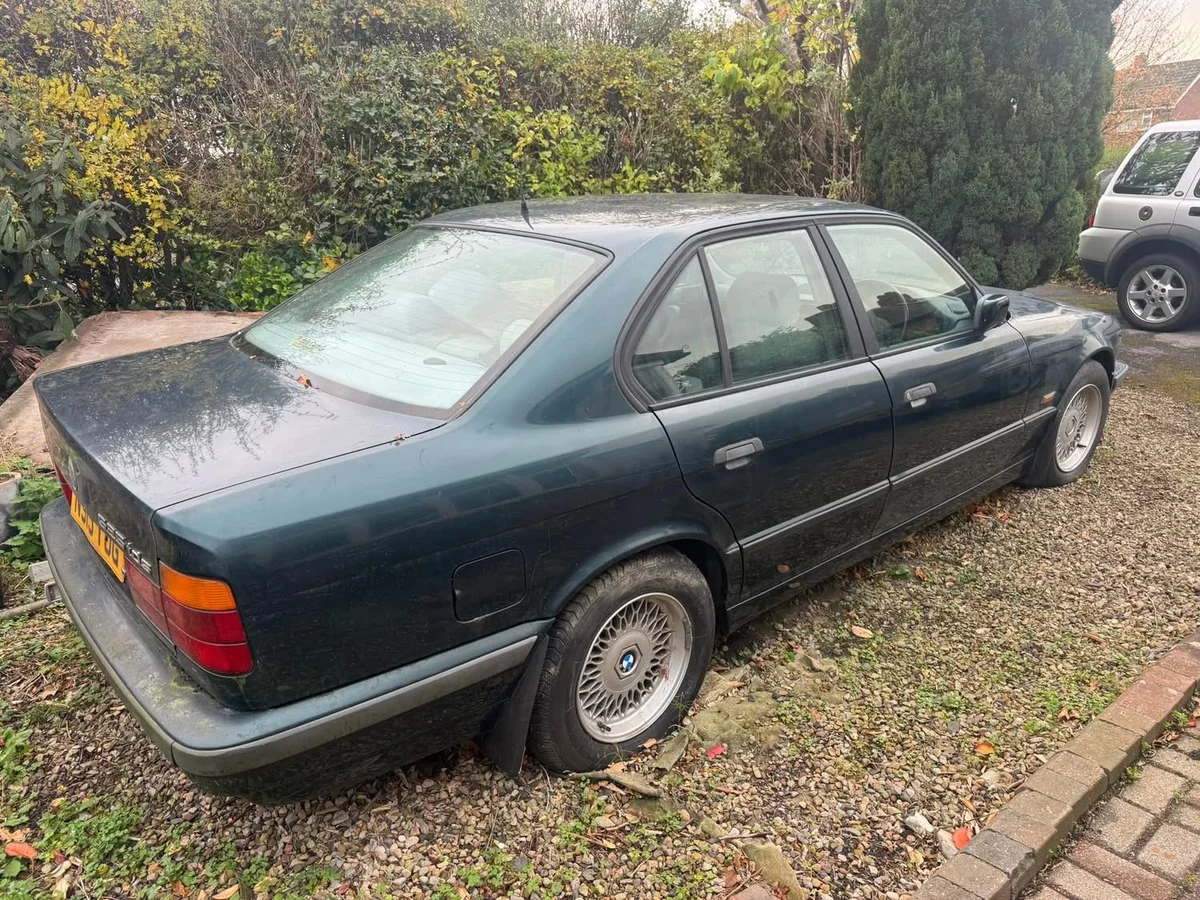
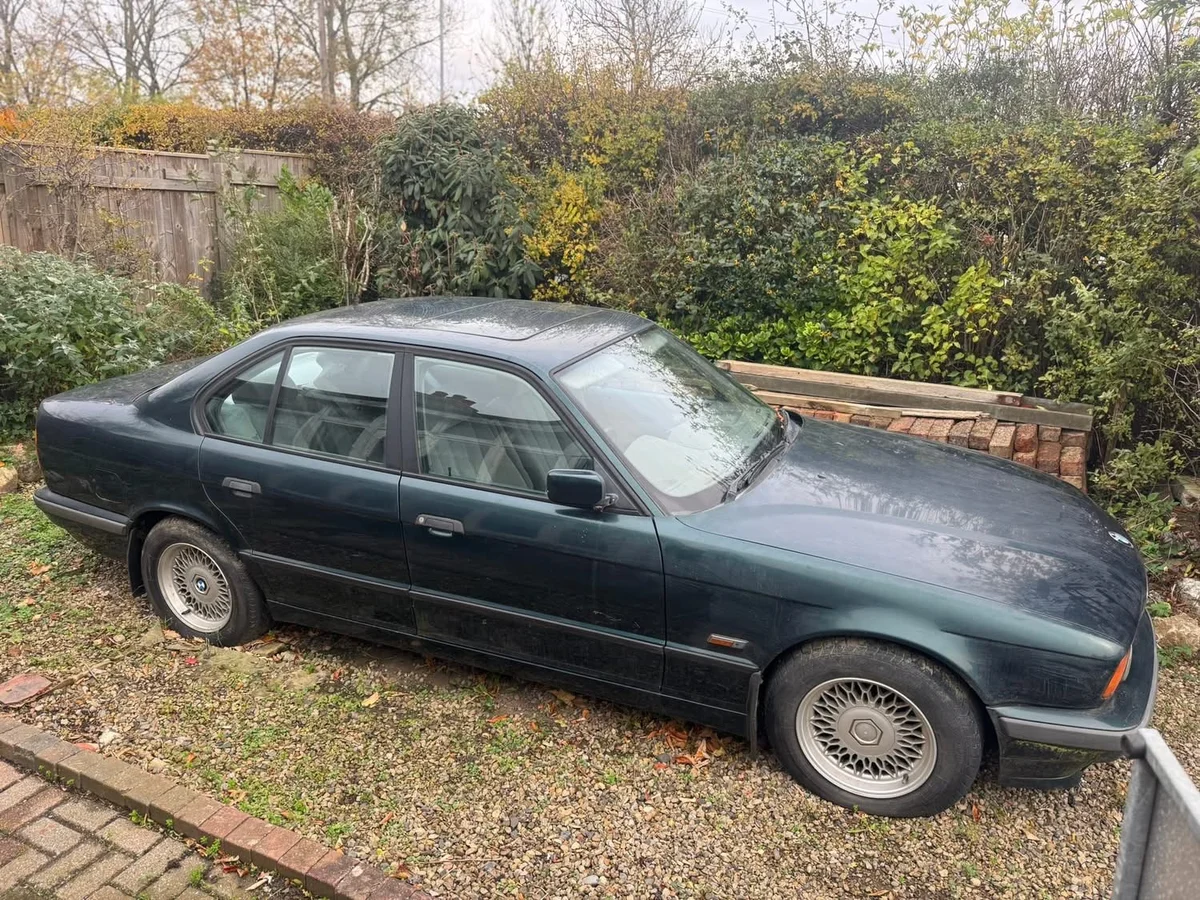
An appraisal visit in the Ponteland area to a 1996 BMW 525TDSE diesel saloon that had stood outside under cover for over twelve years, SORN, with the engine not fired in over a decade. We drove out blind on a phone call from a gentleman in his nineties who could not send photographs and did not have the registration to hand. The car was a remarkable survivor in original condition, but the seller's expectation sat well above what a recovered example was trading for in the market. We took it to our trade network on a Sale or Return arrangement, gathered honest offers, and presented the best of them. The seller declined. The car is, as far as we know, still on his drive. A no-deal we are still happy to tell you about.
This case study is unusual. Most of the stories in this hub end with us buying the car. This one did not. The seller's expectation sat above what the trade was prepared to pay, and we took the honest route: Sale or Return through our network, real offers presented, decision left with him. He said no. The car is still on his drive. We publish it because the way a buyer behaves when there is no deal to be made is at least as informative as how they behave when there is.
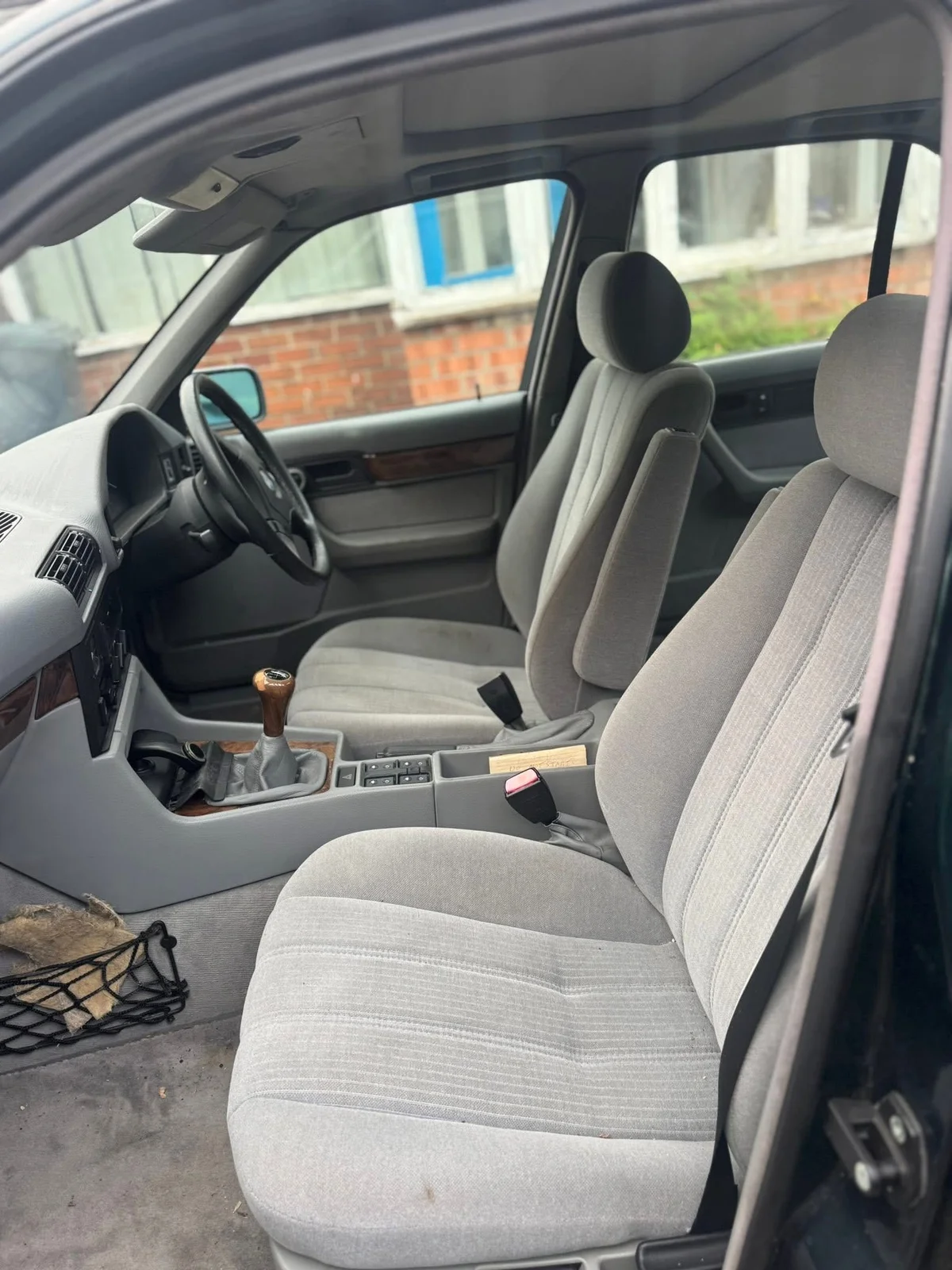
- 1996 BMW 525TDSE 2.5-litre diesel manual saloon, dark green, 72,000 miles, original paint and interior throughout.
- Bought at auction by the current owner in 1998 with the original purchase invoice; replacement engine fitted that December (we have the workshop receipt).
- Kept at the back of the property under cover ever since. SORN for the last twelve years. Engine not fired in over a decade. Battery removed years earlier.
- Phone enquiry from the seller: no smartphone, no photographs, no registration to hand, heavy accent on the line. We agreed to drive out blind to assess in person.
- On inspection: bodywork held up remarkably well for a car stood that long, no significant rust, oil cooler at the front had developed a weep, brakes seized, fuel and fluids long expired.
- Sale or Return arrangement attempted: car taken to our trade network with full standing-history disclosure and the photographs in this case study.
- Every figure that came back sat below the seller's expectation. The best offer was presented honestly. The seller declined and kept the car.
The phone call
A gentleman in his nineties rang us about a BMW he wanted us to look at. He could not send photographs because he did not have a smartphone. He did not know the registration off the top of his head. The line was difficult and we struggled to make out detail through a heavy accent on a poor connection. Most national online buying services - WeBuyAnyCar, Motorway, Cazoo - would have ended the call there, because their entire workflow is built around a registration and a number-of-doors dropdown that produces a price in twenty seconds. None of that works on a thirty-year-old BMW that the seller does not have the registration for. Ours does not. We agreed to drive out and look at the car in person, and that is what we did.
What we found
A dark green 1996 BMW 525TDSE saloon, sitting at the back of his property under a cover, on the patch of gravel where it had been left for the better part of three decades. Original paint, original cloth interior, the spare-wheel net still in the boot, original BMW alloys on the car. Seventy-two thousand miles on the clock. He produced two pieces of paper: the auction invoice from 1998, and a receipt from the same year for a replacement engine that had been fitted that December. The car had been kept outside ever since, but always with a cover on, and the bodywork had held up remarkably well as a result. There was no rust to speak of. The interior was cleaner than most cars of the era.
The mechanical picture was different. The owner had pulled the battery out years earlier. The oil cooler at the front had developed a weep. The engine had not been fired in over a decade. The car had been SORN for the last twelve years. None of that was hidden. He told us all of it before we lifted the bonnet, which is the kind of honesty that always makes our job easier.
We Buy Cars Hexham" loading="lazy">What recovery would actually cost
To get a car back into operational state from this point you are looking at: new battery, full fluid change throughout, careful first-start procedure to avoid damaging anything that has not been lubricated in a decade, oil cooler attention or replacement, brakes (the discs and pads will need replacement, the calipers may need rebuilding or replacement after that long seized), tyres (sidewalls deteriorate when sat under constant load), fuel system flush (modern UK diesel is biofuel-blended and has a practical shelf life of six to twelve months), DPF inspection and possible cleaning, then a full safety check before MOT. After that, a polish and detail to recover the paintwork.
The standing-vehicle technical bank we cover at length on our Mercedes A-Class probate case study applies to a 525TDSE in exactly the same way. The diesel-specific risks (injector seizure from sitting fuel, DPF saturation if regeneration has not run for years) sit on top of the generic standing-car list. None of these are insurmountable, but the cost of the recovery is real, and a buyer is going to price it in.
Why this was not a direct buy - and why an online instant valuation tool would not have helped
This is exactly the kind of car where a national instant car valuation tool produces a hopelessly wrong number. The WeBuyAnyCar, Motorway and Cazoo-style services are excellent at pricing ordinary trade-in cars but their algorithms have no field for "stood for ten years", no field for "battery removed and oil cooler weeping", and no slot for the additional cost of returning a thirty-year-old vehicle to operational state. A 525TDSE valuation produced by a thirty-second online tool against this car would be wrong by orders of magnitude in either direction. We are different because we look at the actual car.
Two reasons. First, the cost of recovery on a 1990s BMW 5 Series, even one in this condition, sits high enough relative to the retail value of a recovered example that the maths only works for a buyer who already has the workshop, the recovery vehicle and the patience to take a project car through to roadworthy state. That is a small market. Second, the seller had a clear figure in mind for what he wanted to take home, and it sat above what a recovered example of this model was actually trading for in the market we have access to. A direct buy at his number was not something we could make work.
Why Sale or Return was the right next step
When a direct buy does not work but the car is genuinely interesting to a niche audience, the right answer for the seller is usually Sale or Return. We take the car (or in this case, take the car onto the trade-channel listing without moving it) and we put it in front of the specialist circle that buys this sort of thing. The seller benefits because the figure is set by what an actual end-buyer is prepared to pay, not by what a trade desk is willing to risk. The arrangement is transparent: we agree a target, we report back what came in, and the seller decides.
For this BMW we listed it through our trade network with the full standing-history disclosure: outside under cover, twelve years SORN, ten years not started, replacement engine 1998, battery out, oil cooler weep, original paint and interior. The market answered. Every offer that came back sat well below the seller's expectation. We presented the best of them honestly. He thanked us and said no.
Why we publish the ones that did not close
Most car-buying companies would never tell this story. The instinct is to publish only the wins. We publish this one for two reasons.
First, it is an honest example of how the Sale or Return service actually works. A seller who reads this knows that we will list their car, we will gather real offers, we will present the best one honestly, and we will leave the decision with them. There is no pressure to sell. There is no manipulation of the offer figure on the day to suit our position. The seller decides.
Second, it is a fair example of the lengths we will go to. A national online buying service would have ended this enquiry on the phone. We drove out, sat with him for an hour, listened to the history of the car for as long as it took to understand what we were looking at, took the photographs you can see in this case study, and put the car in front of the right buyers. The fact that the figures did not align does not change any of that.
What this means if you are reading this and looking to sell a BMW or any standing classic car
If you have a vehicle that has stood for years, in any condition, and you cannot easily send photographs or you would rather have a buyer come and see it in person before any number is discussed: that is what we do. The visit is free. The honest assessment is free. If a direct buy does not work for the figures, we will tell you, and we will offer to test the market for you through Sale or Return. If the market does not get to your number, we will tell you that too, and you keep the car. There is no fee, there is no pressure, and we do not chase.